
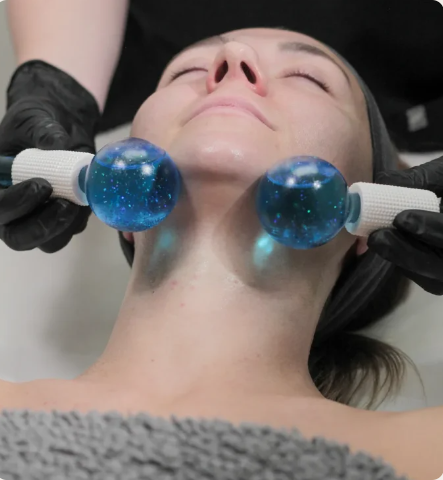
Choosing an aesthetic clinic is not simply about finding the longest treatment menu or the most impressive before-and-after photos. A high-quality clinic should be able to explain why a treatment is appropriate, what it can realistically improve, how the skin may respond, and whether another approach would produce a better result.
For clients considering professional skin or body treatments, the difference often comes down to clinical judgment. Good aesthetic care is less about offering every new device that appears on the market and more about understanding skin behavior, treatment timing, tissue response, and long-term maintenance.

A Thorough Consultation Comes Before the Treatment
A strong consultation should feel more like an assessment than a sales conversation.
Before recommending treatment, an experienced practitioner should evaluate factors such as skin sensitivity, hydration, pigmentation patterns, texture, active breakouts, previous procedures, healing history, current skincare products, and the client’s main concern. For body treatments, the assessment may also include the treatment area, tissue condition, realistic expectations, and whether the requested service matches the client’s actual goal.
This matters because two people asking for “brighter skin” may need completely different approaches. One may have surface dullness and dehydration, while another may be dealing with post-inflammatory pigmentation or uneven texture. Treating both clients identically would be convenient, but not particularly thoughtful.
A good clinic investigates first and treats second.
Treatment Selection Should Be Based on Skin Condition
High-quality aesthetic care is rarely about choosing the strongest treatment available.
Skin responds best when the procedure matches its current condition and tolerance. For example, skin with a compromised barrier may not respond well to aggressive exfoliation simply because pigmentation or texture is present. Calming, hydrating, and strengthening the barrier first can create a much better foundation for corrective procedures later.
This is also where experienced practitioners distinguish themselves. They understand when microneedling, chemical exfoliation, resurfacing, hydration-focused facial therapy, radiofrequency, or another modality may be appropriate, but they also recognize when treatment should be postponed.
Sometimes the most professional recommendation is, “Not yet.” It may not sound particularly glamorous, but skin tends to appreciate patience.
Clients exploring professional options can learn more through You Glow Beauty Clinics and compare available approaches based on their individual concerns.
Technology Matters, but Technique Matters More
Modern aesthetic equipment can offer impressive capabilities, but owning advanced technology does not automatically guarantee excellent results.
The quality of a treatment depends heavily on how that technology is used. Settings, treatment depth, intensity, number of passes, treatment intervals, skin response, and post-procedure care can all influence the outcome.
A knowledgeable provider understands the difference between creating a controlled therapeutic response and simply increasing intensity. More heat, more exfoliation, or more aggressive treatment does not automatically mean more improvement.
For example, collagen-focused procedures require enough stimulation to encourage tissue remodeling while still respecting the skin’s ability to recover. The same principle applies to pigmentation-focused treatments, exfoliation, and many body therapies. Precision usually produces better long-term outcomes than unnecessary intensity.
Hygiene and Treatment Protocols Should Be Visible
Cleanliness should never be something clients have to wonder about.
Professional clinics follow clear protocols for preparing treatment rooms, disinfecting equipment, handling reusable components, disposing of single-use materials, and maintaining clean treatment surfaces. Practitioners should also prepare the skin properly before procedures and follow consistent protocols throughout treatment.
These details may not make exciting social media content, but they matter enormously.
Clients should also notice whether procedures feel organized. Proper preparation, documentation, treatment notes, protective measures, and clear post-care guidance indicate that the clinic is treating aesthetic services as professional procedures rather than casual beauty appointments.
A beautiful treatment room is nice. A beautiful treatment room with excellent clinical standards is much better.
Results Should Be Built Through a Treatment Strategy
One of the clearest signs of a strong aesthetic clinic is the ability to think beyond a single appointment.
Many concerns involving uneven texture, discoloration, acne-related marks, loss of firmness, dehydration, or body contouring require a planned series of treatments rather than one dramatic session. Skin renewal and collagen remodeling occur gradually, so treatment schedules should respect biological timelines.
A practitioner may recommend alternating corrective procedures with recovery-focused treatments, adjusting home care between appointments, or spacing sessions farther apart depending on the skin’s response.
The plan should also evolve.
If the skin improves faster than expected, becomes more sensitive, or develops a new priority, treatment should be adjusted rather than continued automatically. Good aesthetic care is responsive. It follows the skin instead of forcing the skin to follow a predetermined package.
Aftercare Is Part of the Treatment
Aesthetic results are influenced by what happens after the client leaves the clinic.
Professional aftercare should be specific to the procedure. Depending on the treatment, guidance may cover cleansing, moisturization, sun protection, temporary sensitivity, exercise, heat exposure, exfoliating products, active skincare ingredients, and the expected recovery period.
Clients should also understand what is considered normal.
Temporary redness after certain procedures can be expected, while prolonged irritation or unexpected skin changes may require follow-up. Clear instructions prevent clients from guessing, over-treating the skin at home, or reintroducing strong products too quickly.
For those planning an in-person visit, you can alsoview the clinic location on Google Maps when organizing your consultation.
Choosing a Clinic That Prioritizes Long-Term Skin Health
A high-quality skincare and aesthetic clinic combines assessment, technical knowledge, appropriate technology, hygiene, careful treatment planning, and detailed aftercare. More importantly, it should be willing to customize the process rather than recommending the same popular procedure to every client who walks through the door.
The goal of professional aesthetic care should not be to chase temporary improvements at the expense of skin health. It should be to create measurable, sustainable progress while protecting the barrier, respecting recovery, and adjusting treatment as the skin changes.
If you are considering professional skin or body treatments, begin with a detailed consultation. Ask why a treatment is being recommended, what changes you can realistically expect, how recovery will be managed, and what the longer-term plan looks like. A clinic that can answer those questions clearly is far more likely to provide the thoughtful, results-focused care your skin deserves.